Source front bumper bracket for Toyota, Howo, and Hyundai
Compare 30 front bumper bracket listings from verified suppliers. Options include steel and original materials for Toyota, Howo, and Hyundai vehicles with customizable packaging and delivery times.
Key considerations
Products List


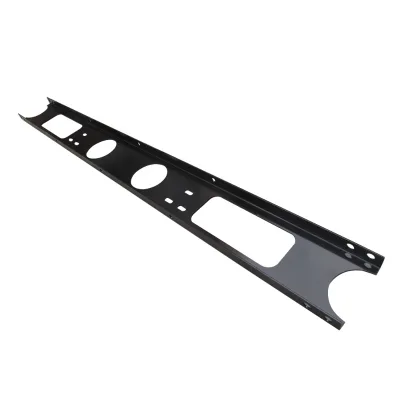
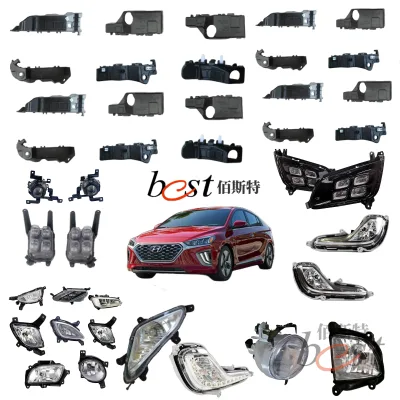


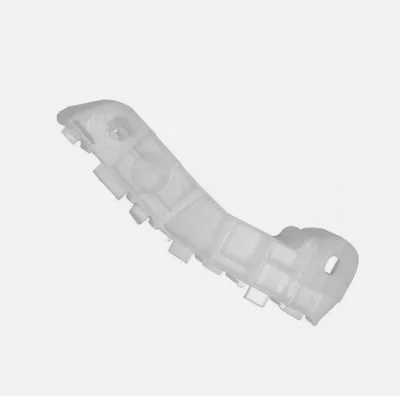


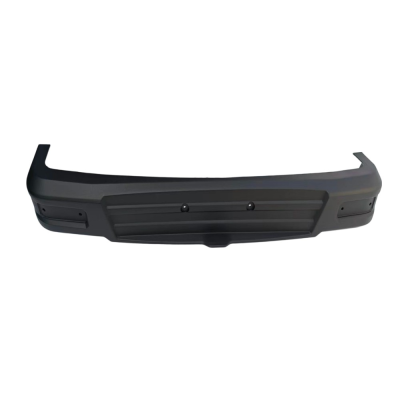


Comprehensive Sourcing Guide
Front Bumper Bracket Sourcing Guide
Procuring front bumper brackets requires a disciplined approach to aligning component specifications with specific vehicle platforms, as these structural parts are rarely universal. The market presents a fragmented landscape where identical-looking brackets may serve distinct chassis requirements for heavy-duty trucks or passenger vehicles. Buyers must first distinguish between original equipment manufacturer (OEM) replacements and aftermarket alternatives, as the structural integrity and fitment tolerances differ significantly between the two categories.
The sourcing strategy must account for the diverse range of vehicle makes observed in current listings, including heavy-duty brands like Sinotruk and Howo, as well as passenger vehicle manufacturers such as Hyundai and Kia. A single procurement order often needs to accommodate multiple part numbers to ensure compatibility across a mixed fleet. Understanding the specific application context, whether for repair or replacement, is the foundational step before engaging with suppliers or requesting technical documentation.
Product Scope and Observed Listing Signals
The product scope for front bumper brackets spans from heavy-duty truck components to passenger car body parts, with listings indicating materials ranging from steel to original factory specifications. Buyers should expect to encounter variations in packaging, such as wooden boxes or cartons, which often correlate with the weight and fragility of the specific bracket design. The observed listing signals suggest a high degree of customization availability, allowing buyers to request specific finishes or dimensions that deviate from standard catalog offerings.
Listing data reveals a wide variance in single package sizes and gross weights, indicating that logistics planning must be tailored to the specific item rather than a generic category average. Some units are listed with dimensions as large as 180x60x60 cm and weights up to 30 kg, while others are significantly more compact. This disparity necessitates a careful review of the "Single package size" and "Single gross weight" fields for every line item to accurately calculate freight costs and warehouse storage requirements.
Technical Specifications to Verify
Verification of the part number is the most critical technical step, as the market lists numerous specific codes such as FG9806930025 for truck applications and a wide array of 86513-series codes for Korean car models. Buyers must cross-reference the OE number provided in the listing against their vehicle's service manual to ensure exact fitment, as even minor digit differences can indicate incompatible mounting points or bracket geometry. The "Model Number" and "OE NO." fields in supplier listings are the primary identifiers for this verification process.
Beyond the part number, the physical dimensions and material composition must be confirmed to ensure the bracket can withstand the intended operational loads. Listings specify materials like steel and dimensions described as "original," but buyers should request detailed engineering drawings or physical samples to verify thickness and structural reinforcement. The "Size" attribute often refers to the original factory dimension, but confirming the exact length, width, and mounting hole spacing is essential for preventing installation failures.
Compliance and Safety Documentation
Compliance documentation for automotive body parts often centers on certification marks that indicate adherence to regional safety standards, with CE certification appearing as a notable attribute in several listings. While the presence of a CE mark suggests the product meets certain European safety, health, and environmental requirements, buyers must verify the scope of this certification to ensure it covers the specific structural application of the bumper bracket. It is important to distinguish between general product certification and specific automotive safety compliance for crashworthiness.
Safety verification also extends to the quality assurance processes employed by the supplier, such as the claim of "100% Tested" or "100% Original eligible spare part" status. Buyers should request test reports or quality control certificates that validate the structural integrity of the steel components, particularly for heavy-duty applications where failure could lead to significant safety hazards. The "Quality" attribute in listings serves as a starting point, but independent verification of testing protocols is necessary for high-risk procurement.
Cost Drivers and Commercial Terms
The cost of front bumper brackets is driven by a combination of material costs, the complexity of the manufacturing process, and the specific vehicle platform compatibility. Listings show a broad price range, reflecting the difference between standard steel components and specialized original factory parts for specific brands like Sinotruk or Hyundai. Buyers should analyze the unit price in the context of the "Supply Ability" and "MOQ" to determine if the cost structure supports their volume requirements or if bulk discounts are available.
Commercial terms such as payment methods, delivery times, and shipping options significantly impact the total cost of ownership and supply chain reliability. The observed payment terms, including T/T, and delivery windows ranging from 7 to 15 days, require careful integration into the buyer's cash flow and production schedules. Additionally, the choice between air, sea, or express delivery, as noted in the "Shipping" attribute, will directly influence the final landed cost and the speed of inventory replenishment.
Supplier Qualification and Quality Control
Supplier qualification should prioritize vendors who demonstrate a clear capacity for customization and OEM production, as indicated by the "OEM: Yes" and "Customization: Available" attributes in the market data. A qualified supplier must be able to provide consistent quality across batches, evidenced by claims of "100% Tested" and specific warranty periods like 12 months. Buyers should assess the supplier's ability to maintain the "Original factory" quality standards, especially when sourcing parts for critical safety components like bumper brackets.
Quality control processes must be verified through the supplier's stated service levels and response mechanisms, such as the "24 Hours Customer Service" mentioned in some listings. Effective quality control involves not just the final inspection but also the management of the supply chain from the "Place of Origin" in Shandong, China, to the final delivery. Buyers should establish clear communication channels to address any discrepancies in the "Product name" or "Color" attributes, ensuring that the delivered goods match the ordered specifications exactly.
Long-Term Procurement Checks
Long-term procurement success depends on establishing a reliable supply chain that can sustain consistent quality and availability over time. Buyers should monitor the "Supply Ability" metrics, such as the 200 units per month capacity, to ensure the supplier can scale production to meet future demand without compromising quality. Regular audits of the supplier's manufacturing processes and quality control records are essential to maintain the integrity of the "100% Original eligible spare part" claims over multiple order cycles.
Continuous verification of the part numbers and compatibility with evolving vehicle models is necessary to prevent obsolescence and ensure fleet compatibility. As vehicle manufacturers update their designs, the specific OE numbers and bracket geometries may change, requiring buyers to stay informed about new part releases and discontinuations. Maintaining a dynamic relationship with suppliers allows for proactive adjustments to the procurement strategy, ensuring that the front bumper brackets remain a reliable component of the vehicle maintenance program.
FAQs
What is the warranty period for the front bumper bracket?
The front bumper bracket comes with a 12-month warranty. This coverage ensures that the part meets quality standards for replacement or repair purposes. Buyers can rely on this guarantee for standard automotive body applications, providing confidence in the durability of the original eligible spare part.
Can I customize the packaging for the front bumper bracket?
Yes, customization is available for the front bumper bracket packaging. Options include wooden boxes, cartons, or customized packing acceptable to the buyer. This flexibility allows for secure shipping via air, sea, or express delivery, ensuring the product arrives in optimal condition for installation.
What is the minimum order quantity for the front bumper bracket?
The minimum order quantity is 1 set. This low MOQ allows buyers to test the product quality before committing to larger orders. It supports flexible procurement strategies for both individual repairs and bulk inventory needs, making it accessible for various business sizes and requirements.
Which car brands are compatible with this front bumper bracket?
This front bumper bracket is suitable for Toyota, Howo, and Hyundai Kia brands. It serves as a direct replacement for various OE numbers associated with these manufacturers. The part is designed for automobile body parts, ensuring compatibility with specific truck and car models for effective repair.
How long is the delivery time for the front bumper bracket?
The delivery time is typically 7-15 days. This lead time applies to standard orders processed after payment confirmation. Buyers can choose from air, sea, or express delivery options to meet their specific timeline requirements, ensuring timely receipt of the new condition spare parts.
What certifications does the front bumper bracket hold?
The front bumper bracket holds CE certification. This indicates compliance with relevant safety and quality standards for the product. As a new condition item, it meets the necessary regulatory requirements for import and use in various markets, providing assurance of its manufactured quality and safety.